
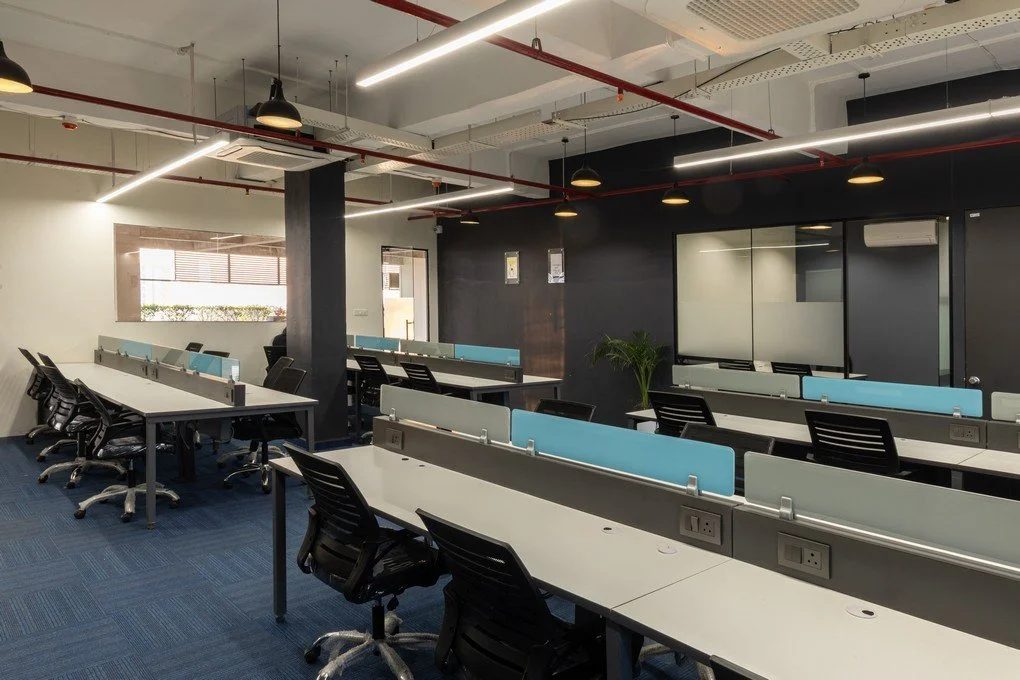
A company building a team in Raipur needs more than a room with desks. It needs an office people can use reliably, a way to welcome clients and clear responsibility for everyday workplace issues. Managed offices can bring those requirements into one arrangement, making them worth considering alongside a conventional lease.
The model is especially relevant when a company wants to establish a regional presence without building its own office-management operation from the start. Its value depends on the services agreed and the team's actual needs.
An office brings ongoing operational work
With conventional premises, someone must arrange furniture, connectivity, housekeeping, maintenance and access. Even when vendors carry out those tasks, your team still has to coordinate them.
A managed-office provider can take responsibility for an agreed set of workplace services. This may reduce the number of arrangements your company handles directly. It does not remove every responsibility: company devices, information security and employee management still need clear ownership.
A regional team can start with a defined requirement
Not every company entering Raipur knows its long-term headcount immediately. A regional sales team, project group or service office may begin with a modest workspace and review its needs after gaining operating experience.
A managed proposal lets the company discuss its current requirement and possible future changes together. Check the agreement carefully, because flexibility depends on notice terms, pricing and available space rather than the word “managed” alone.
The setup decision becomes easier to coordinate
Furniture, connectivity and shared facilities can be discussed through one workplace proposal. That can make planning more straightforward for a company whose decision-makers are based elsewhere.
However, a faster setup should never be assumed. Existing offices, approved changes and specialised requirements can have different readiness dates. Ask for a move-in plan tied to the actual workspace being offered.
Local convenience matters more than broad city labels
The office should fit where employees live, where clients meet and where the team travels. Rather than selecting a space because an area sounds prestigious, compare the journeys your business will make most often.
Kursi offers workspace options at Dumartarai and G.E. Road in Raipur. Both centres have private workspaces and meeting facilities, with the available arrangement confirmed through a quotation and visit.
Predictable scope can help budgeting
A clearly itemised proposal makes it easier to see which services sit within the recurring fee and which remain extra. This supports comparison with a conventional office, where several costs may be paid to different providers.
Managed offices are not automatically cheaper. Compare the same headcount, service scope and occupancy period. Include setup costs, recurring fees, applicable taxes and exit obligations. Keep refundable deposits visible as a separate cash requirement.
When the model may be less suitable
A business needing specialised installations, extensive physical control or a highly unusual layout may prefer another arrangement. A stable long-term team with its own facilities capability may also assess a conventional lease differently from a small branch office.
Use our serviced versus traditional office guide to compare responsibilities and costs. The goal is to match the workplace model to the operation you intend to run.
Ask three questions before choosing
First, which office tasks will the provider handle? Second, which services are essential to the team's daily work? Third, what happens if headcount, schedule or space requirements change? Written answers to those questions provide a stronger basis for a decision than general promises of convenience.
Frequently asked questions
Are managed offices only for large companies?
No. The appropriate arrangement depends on available space, required services and commercial terms. Smaller teams can also compare managed options with cabins and seats.
Does a managed office guarantee lower costs?
No. Cost depends on the scope and period being compared. Request like-for-like proposals and consider operational effort as well as direct expenses.
Can a company use a managed office as its Raipur base?
A suitable office can support a local team. Address use and any business documentation requirements should be discussed separately before committing.
Considering a regional workspace? Explore Kursi's managed offices and share the responsibilities you want the provider to cover.