
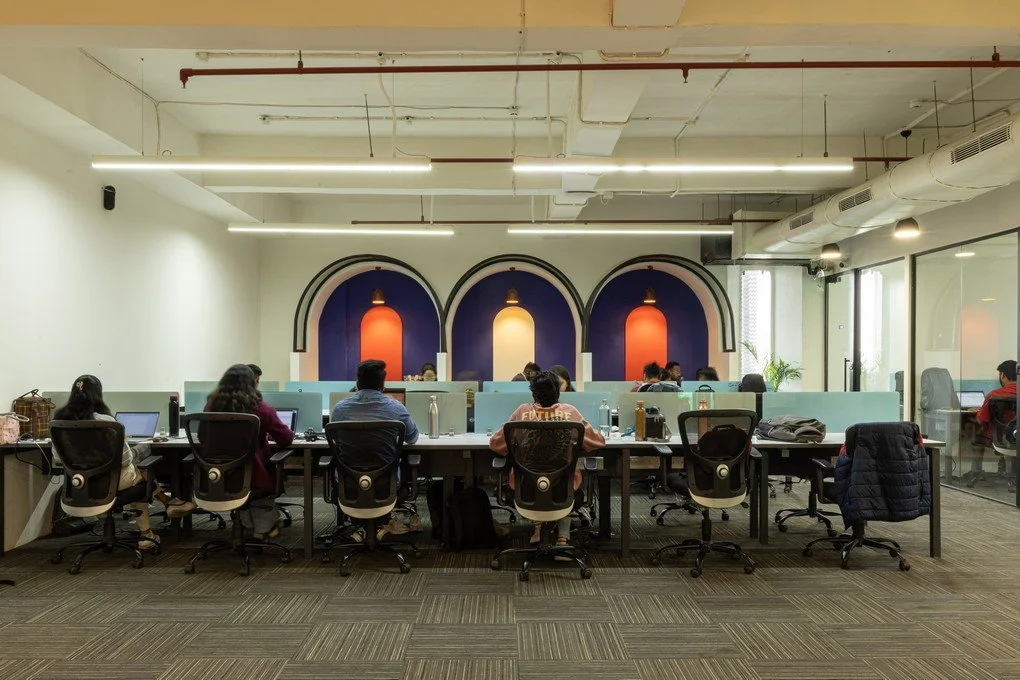
The best coworking space in Raipur is the one that fits your working day: how you travel, the calls you take, the people you meet and the privacy you need. Attractive interiors can make a good first impression, but your decision should also account for connectivity, comfort, service and the total monthly commitment.
Whether you are a freelancer looking for a regular desk or a company establishing a small local team, use these ten checks to build a useful shortlist.
1. Choose the workspace type before comparing prices
A day pass suits occasional use. A monthly open seat can suit regular individual work. A private cabin gives a team an enclosed space, while a managed office addresses a broader set of team and operational needs. Comparing an open-seat price with a private-office quotation will not tell you which is better value unless you first define what you need.
2. Test the commute at your actual travel time
Visit at roughly the time you would normally arrive. Consider your route, parking and the journey your clients or employees will make. Kursi has centres at Dumartarai and G.E. Road. Compare both against the places your working week takes you rather than assuming one location suits everyone.
3. Check internet performance where you will sit
Ask to try a video call or your normal cloud applications from the proposed desk. Discuss upload performance, shared-network conditions and support if connectivity fails. If your work needs a VPN, wired connection or specialised equipment, explain that before agreeing to a plan.
4. Ask what continues during a power interruption
Clarify which systems receive backup power, for how long and under what conditions. Internet equipment, lighting, sockets and air conditioning may have different arrangements. Match the answer to the work your business must keep running; do not treat a general reference to backup as a complete specification.
5. Sit down and assess comfort
Try the chair, check desk depth and look for glare on your laptop screen. Notice the room temperature and background sound during normal occupancy. A workspace should support the hours you intend to spend there, including room for any monitor or accessories you use.
6. Match privacy to your calls and documents
An open working floor is not automatically suitable for confidential discussions. Ask about enclosed rooms, cabin options and booking rules. Recruitment interviews, client negotiations and sensitive financial work may need a different arrangement from everyday individual tasks.
7. Inspect the facilities you will actually use
Look at meeting rooms, washrooms, reception, parking and the route into the building. Check whether a meeting allowance exists, whether advance booking is needed and what extra usage costs. Our coworking amenities guide explains how to test these details during a visit.
8. Confirm access and support hours separately
Building access, reception availability and technical support are different services. If you work with overseas clients or arrive outside regular daytime hours, ask how entry works and whom to contact when you need help. Confirm visitor arrangements too.
9. Compare the full price and agreement
List the base fee, applicable taxes, deposit, meeting charges, printing allowances and any other recurring costs. Read the minimum commitment, notice period and refund conditions. Kursi's published plans start at ₹349/day for a day pass and ₹6,299/month for an open seat; confirm the final inclusions and terms in your quotation.
10. Ask how your plan can change
You may need a second seat, a cabin or fewer days of access later. Ask how changes are requested, what notice is required and whether they depend on availability. A conversation about future needs is useful, but additional space should only be treated as reserved when the agreement says so.
Use a simple shortlist scorecard
Give each space a score for commute, connectivity, comfort, privacy, meeting access and total cost. Mark any essential requirement as pass or fail. A space that misses a critical need should not win just because its average score or introductory rate looks attractive.
Frequently asked questions
Is a coworking space suitable for a small company?
Yes, provided the workspace supports the team's privacy, meetings and equipment. Compare open seats with private cabins before choosing.
Can I try a workspace before taking a monthly plan?
Ask about a visit or day-pass availability. Testing the space during a normal working day can reveal details photographs cannot show.
What should I take to a centre visit?
Bring your laptop, a list of essential requirements and your expected schedule. For a team, include headcount, meeting needs and a target start date.
Ready to compare your options? Arrange a Kursi centre visit and tell us whether you need an occasional desk, a regular seat or a private team workspace.